
A website design project turns business information into a usable visual journey. The work covers page hierarchy, typography, spacing, image treatment and interactive states before development decisions are locked in. It is useful when a business has content but no consistent presentation, or when visitors struggle to understand the offer. Design should explain the next action as clearly as the company identity.
Vashu Tech services
Website Design
A website design project turns business information into a usable visual journey. The work covers page hierarchy, typography, spacing, image treatment and interactive states before development decisions are locked in. It is useful when a business has content but no consistent presentation, or when visitors struggle to understand the offer. Design should explain the next action as clearly as the company identity.
Scope-ledYour requirements first
Clear estimatesBased on agreed work
Review pointsDefine acceptance checks
02
Understanding Website Design
A website project starts with the tasks visitors need to complete. Design explains the information and interactions; development makes those decisions work reliably. New websites, redesigns, focused landing pages and corrective work have different starting points. Share the existing site, intended audience and practical problem before choosing a solution. A focused bug fix should not become an unnecessary rebuild, while a new business website needs a coherent content structure rather than a collection of disconnected screens.
03
Problems this work addresses
Competing calls to action, inconsistent page styles and layouts that hide important information make an otherwise credible business difficult to understand.
04
Work stages and practical deliverables
These stages describe the discussion scope for this service. The proposal should identify which outputs are included, the information required from you and any work that belongs to a separate agreement. Review points should make it possible to check the result against the original requirement.
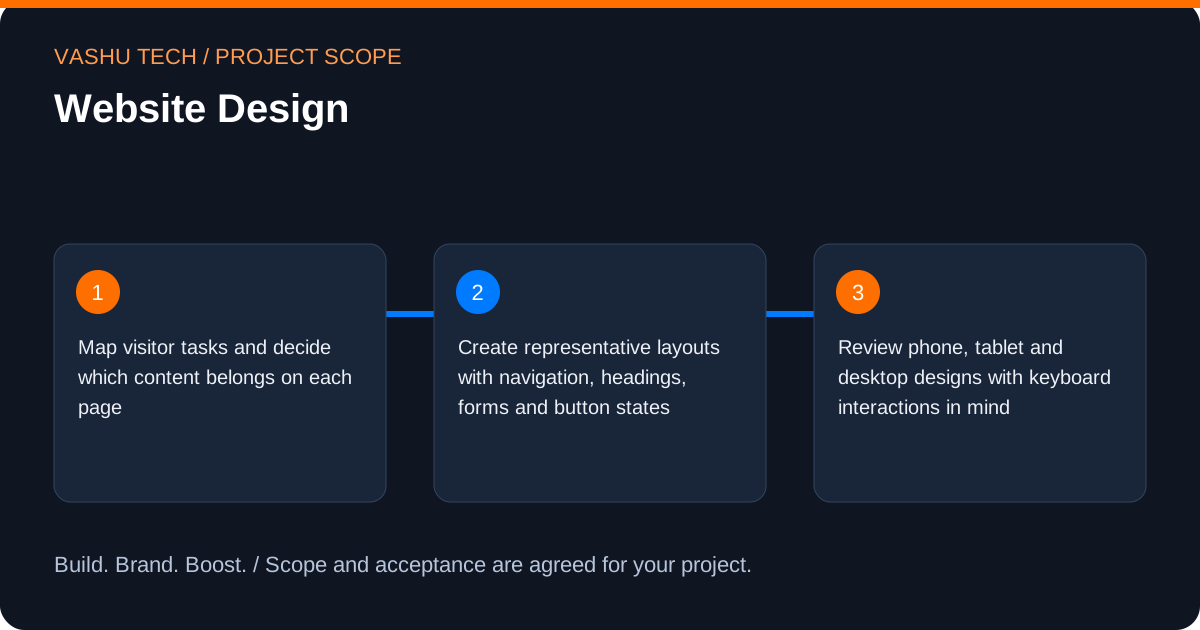
- Map visitor tasks and decide which content belongs on each page.
- Create representative layouts with navigation, headings, forms and button states.
- Review phone, tablet and desktop designs with keyboard interactions in mind.
05
Technical considerations and boundaries
A design file is not automatically a functioning website. Agree whether responsive specifications, reusable components, source files, copywriting and implementation are included. Image licences and font availability should be checked before handover.
06
Business value and acceptance
The practical value is addressing this specific difficulty: competing calls to action, inconsistent page styles and layouts that hide important information make an otherwise credible business difficult to understand. A useful result makes the relevant journey or operational responsibility clearer. Define the acceptance checks around review phone, tablet and desktop designs with keyboard interactions in mind, and distinguish an implemented improvement from an unverified business outcome.
07
Pricing, timing and handover
An estimate depends on the existing environment, the amount of content or data involved and the agreed testing and access requirements. External licences, hosting and vendor subscriptions should be identified separately. Share any deadline and its dependencies so that feasibility can be assessed; this page does not promise a fixed price or delivery date.
08
Discuss your website design requirements
Describe the current situation and the change you need. A public website link and a short explanation are enough to begin; arrange sensitive access separately. Request a scoped quote or contact Vashu Tech to discuss the next step.
09
Plan your Website Design scope
A useful website brief connects page design to visitor decisions. Identify what someone needs to understand before making contact, then decide how navigation, copy, visual hierarchy and forms should support that journey. Keep essential company information easy to find on a phone as well as a larger screen.
For Website Design, start by identifying the decision or workflow you want to improve. Competing calls to action, inconsistent page styles and layouts that hide important information make an otherwise credible business difficult to understand. Select the tasks that address that requirement; the full category of work does not have to be included in every project.
Useful starting information includes your current public website, approved brand materials, a draft page list, available copy and the enquiry destination. Public links and redacted examples are enough for an initial discussion. Account access can be arranged separately after the required permissions are understood.
10
A practical Website Design planning example
Consider a service business whose offer is spread across several pages. A practical brief could make the service differences easier to compare, give each page a clear next step and check whether a visitor can complete an enquiry without losing entered information.
Translate that example into a small, testable brief for Website Design: begin with map visitor tasks and decide which content belongs on each page, identify the inputs needed to create representative layouts with navigation, headings, forms and button states, and agree how to review phone, tablet and desktop designs with keyboard interactions in mind. This is an illustrative planning scenario, not a client case study or a promised result.
11
Review and acceptance for Website Design
Review representative pages at phone, tablet and desktop widths. Try keyboard navigation, long headings, missing images and invalid form input, alongside a successful submission. Where URLs change, review the redirect mapping and retained public information rather than judging the work by screenshots alone.
Keep a short acceptance checklist alongside the proposal. For this scope, the review should include: Map visitor tasks and decide which content belongs on each page; Create representative layouts with navigation, headings, forms and button states; Review phone, tablet and desktop designs with keyboard interactions in mind. Record what was checked, which items remain open and who can approve the result. An implemented change and a business outcome are different things; neither enquiries nor sales should be assumed from a technical demonstration.
12
Handover and ongoing decisions for Website Design
The handover can identify the reusable layouts, editable content areas and the approved contact routes. Agree which source files or implementation notes are included and who will maintain hosting, content and future page changes.
Before handover, agree who owns the accounts, approves public information and handles future changes. Any maintenance, additional content, third-party subscription or ongoing campaign management should be listed explicitly in the proposal. Share an essential deadline early so dependencies can be discussed before a delivery schedule is agreed.
13
Planning the right fit
Audience, scope and coordination for Website Design.
Who this is for
Businesses evaluating Website Design for a new requirement or an existing website. Competing calls to action, inconsistent page styles and layouts that hide important information make an otherwise credible business difficult to understand.
Scope and deliverables
Map visitor tasks and decide which content belongs on each page Create representative layouts with navigation, headings, forms and button states Review phone, tablet and desktop designs with keyboard interactions in mind Scope, exclusions and acceptance evidence are agreed in the proposal.
14
Questions about Website Design
Answers to help you plan the scope and next steps.
Will a new design include development?
Only when implementation is included in the agreed scope. Design delivery can consist of layouts and specifications for an existing development team.
What should I share for a Website Design enquiry?
Include the affected website or proposed project, the audience and the outcome you need. For this work, useful discussion points include map visitor tasks and decide which content belongs on each page, create representative layouts with navigation, headings, forms and button states, review phone, tablet and desktop designs with keyboard interactions in mind. Do not send passwords in the public form.
What affects the cost and timing of Website Design?
The amount of existing work to inspect, the agreed deliverables, access readiness and testing requirements affect the estimate. A design file is not automatically a functioning website. Agree whether responsive specifications, reusable components, source files, copywriting and implementation are included. Image licences and font availability should be checked before handover. Ask for a scoped proposal rather than assuming a fixed package or completion date.
How is Website Design work checked?
Acceptance should reflect the actual requirement: map visitor tasks and decide which content belongs on each page; create representative layouts with navigation, headings, forms and button states; review phone, tablet and desktop designs with keyboard interactions in mind. Check representative content and failure cases as well as the expected successful result. Agree the evidence and handover responsibilities before work begins.
What information helps scope Website Design?
Bring your current public website, approved brand materials, a draft page list, available copy and the enquiry destination. Identify your priority and which tasks you need: Map visitor tasks and decide which content belongs on each page; Create representative layouts with navigation, headings, forms and button states; Review phone, tablet and desktop designs with keyboard interactions in mind. Share public or redacted information first; arrange sensitive access separately.
What should be agreed at the handover for Website Design?
The handover can identify the reusable layouts, editable content areas and the approved contact routes. Agree which source files or implementation notes are included and who will maintain hosting, content and future page changes. Confirm account ownership, approval responsibilities and any ongoing support separately from the initial work.
Discuss your requirements
Plan your Website Design project
Share your starting point and priorities. We can discuss the scope, required information and acceptance checks before providing an estimate.
Tell us about your project.
Send your requirements to our team. Please leave out passwords and confidential access details.